The Principles of Garden Design: Crafting Beautiful and Functional Outdoor Spaces
Garden design is an art form that combines creativity, practicality, and an understanding of the environment. Whether you're planning a small urban garden in Edinburgh or a larger, more expansive outdoor area in the Scottish countryside, the design principles you follow will shape the success of the project. In Scotland, with its unique climate and varying terrain, garden design needs to balance beauty with functionality.
At North Hill Gardens, we believe that a well-designed garden is one that meets the aesthetic needs of the homeowner while being practical, sustainable, and suited to the environment. In this blog post, we’ll explore the essential principles of garden design that form the foundation of every successful garden project, from creating a strong layout to selecting the right materials and plants. Whether you're working on a blank canvas or renovating an existing garden, these principles will guide you in creating a space that’s both stunning and functional.
1. Functionality First: Understanding the Purpose of Your Garden
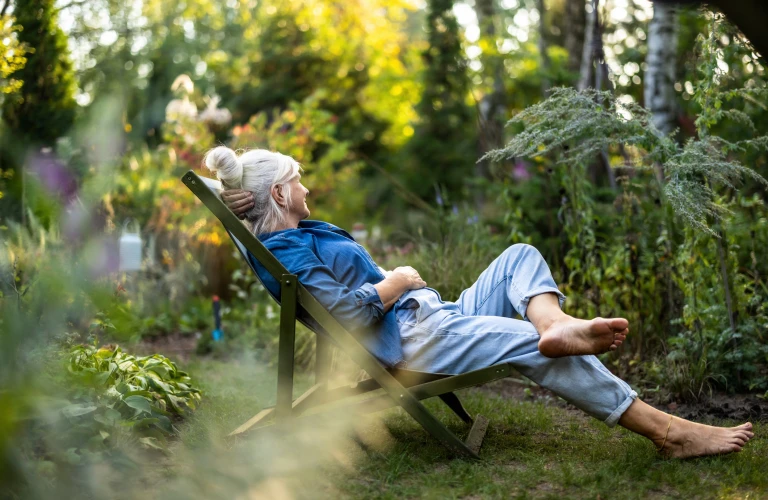
Before any design decisions are made, it's essential to understand the function of your garden. What do you want to use your garden for? Is it a space for entertaining guests, a peaceful retreat, or a family-friendly area with room for children to play? Defining the purpose of the garden will ensure that your design meets your specific needs. This can involve:
- Outdoor living spaces: If you plan to use your garden for outdoor dining, relaxation, or entertaining, you’ll want to incorporate features like seating areas, outdoor kitchens, or firepits.
- Play areas for children: If you have young children, consider adding a lawn for play, along with safe play equipment, hedging for privacy, and paths that allow for easy movement.
- Gardening and growing: If your garden is to include vegetable beds or an orchard, functionality will guide the positioning of your plants and the layout of your growing spaces.
Ensuring your garden is designed for its intended use will help avoid unnecessary frustration later down the line and make your space much more enjoyable.
2. Balance and Proportion: Creating Harmony in Design
The principle of balance is about creating a sense of equilibrium in the garden layout. Without balance, a garden can feel disjointed or chaotic. Balance can be achieved in several ways:
- Symmetrical balance: Symmetry involves arranging elements so they mirror each other. For example, two identical rows of plants on either side of a central path create a balanced and formal look. Symmetrical gardens tend to have a sense of order and structure, which works well in classic or formal garden styles.
- Asymmetrical balance: Asymmetry is the more natural approach, where elements are not identical but are balanced through their visual weight. For example, a larger plant on one side of a garden could be balanced by a cluster of smaller plants on the other. This approach is ideal for informal, contemporary, and naturalistic garden designs.
- Proportion: Proportion refers to the size relationship between different elements in the garden. Large plants and trees should not overwhelm smaller spaces, while tiny features should not be lost in larger areas. For example, a large oak tree might dominate a small garden but complement a spacious lawn. Proportionality ensures that your design feels cohesive and visually appealing.
3. Unity: Creating Cohesiveness and Flow
Unity in garden design ensures that all the elements of the space work together to form a cohesive whole. This principle involves creating visual connections between different areas of the garden so that they feel part of the same space, rather than disjointed. Key strategies to achieve unity include:
- Repeating patterns: Repeating certain elements, such as similar plants, materials, or colours, throughout the garden can help create a sense of unity. For instance, using the same paving material throughout the garden or planting the same species in multiple spots helps link different sections together.
- Visual flow: Creating paths, transitions, and lines that guide the eye through the garden is another important technique. Paths should lead from one area of interest to another, drawing visitors through the space and encouraging them to explore.
Unity also means maintaining consistency in design style. If you're going for a minimalist, modern garden, avoid clashing elements like excessive ornamentation or traditional features that don’t align with the overall aesthetic.
4. Rhythm: Creating Movement and Interest
Rhythm in garden design refers to creating a sense of movement and continuity. Just as in music, rhythm in design involves repetition and variation to lead the eye from one area to another. Here are a few ways rhythm can be achieved:
- Repetition of elements: Repeating plantings, materials, or architectural features can create a rhythmic flow. For example, planting the same species of tree along a border can draw the eye through the garden.
- Changing textures and forms: By varying plant textures (smooth vs. rough, glossy vs. matte) or forms (tall vs. short, wide vs. narrow), you create visual movement. This keeps the design from feeling static and adds interest as visitors move through the space.
Rhythm is especially useful in larger gardens, where creating a sense of movement encourages visitors to wander and explore different areas.
5. Contrast: Adding Drama and Interest
Contrast involves creating differences in elements that make certain features stand out. The contrast between light and dark, rough and smooth, or large and small creates visual interest and adds drama to a garden. Examples of contrast in garden design include:
- Colour contrast: Bold contrasts in colour, such as pairing dark foliage with bright flowers, can create focal points and highlight specific areas of the garden.
- Texture contrast: Mixing rough textures (e.g., stone paths, rough bark) with smooth textures (e.g., polished stone, smooth-leaved plants) adds depth and intrigue.
- Shape contrast: Using contrasting shapes, such as tall, spiky plants next to round, low-growing ones, creates a more dynamic and engaging design.
However, it’s important to strike a balance between contrast and harmony—too many contrasting elements can lead to a chaotic, overwhelming design.
6. Scale and Perspective: Using Size and Viewpoints to Enhance the Space
The scale of objects in your garden should be appropriate to the space available. For example, a large fountain or tree might look out of place in a tiny city garden, while small features could be lost in a large estate garden. Additionally, perspective is important in garden design, especially in long or narrow gardens, where using lines or planting strategically can create the illusion of more space.
- Leading lines: Using paths, fences, or planting in straight or curved lines can help guide the eye along a certain direction, creating the illusion of depth and distance.
- Perspective: Smaller plants at the front of a garden and larger ones further back can create the illusion of more space and make the garden appear larger.
Creating a sense of depth is especially important for urban gardens or smaller spaces, where the aim is to make the space feel more expansive.
7. Sustainability: Designing with the Environment in Mind
Sustainability has become a key principle in modern garden design, and it’s particularly important in Scotland, where environmental factors like rain, wind, and temperature fluctuations can impact plant growth. Sustainable garden design not only benefits the environment but also creates a space that’s easier to maintain over time. Key aspects of sustainable garden design include:
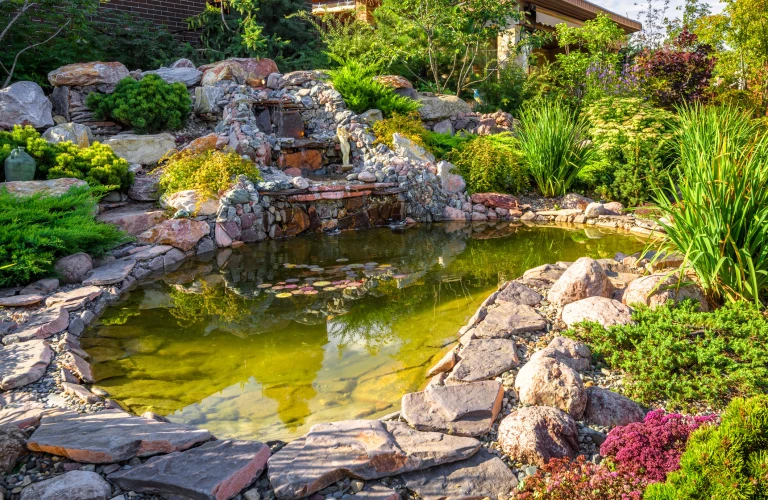
- Water management: Rainwater harvesting, permeable paving, and drought-resistant plants help reduce water consumption and improve the garden’s environmental impact.
- Native plants: Using native plants reduces the need for fertilizers and pesticides, as these plants are adapted to local soil and weather conditions.
- Wildlife-friendly gardens: Designing your garden to attract wildlife, such as birds, bees, and butterflies, can create a harmonious environment while contributing to local biodiversity.
Sustainability is becoming an integral part of every garden design, helping to protect and preserve the environment for future generations.
Conclusion
Garden design is a balance of art and science. By understanding and applying key principles like functionality, balance, unity, rhythm, contrast, scale, perspective, and sustainability, you can create a garden that’s not only beautiful but also practical and enduring. Whether you’re designing a small garden in Edinburgh or a sprawling estate in the Scottish Highlands, these principles will guide your design decisions and ensure that your outdoor space becomes a place of joy and inspiration. At North Hill Gardens, we specialise in helping you craft gardens that reflect your style, meet your needs, and thrive in Scotland’s unique climate.
Other Posts