Why We Say No to Artificial Grass, Fake Plants, and Dodgy Composite Decking
At North Hill Gardens, we believe gardens should be living, breathing spaces — not lifeless plastic imitations. Yet in recent years, we’ve seen a surprising rise in artificial grass, fake plants, and poor-quality composite decking creeping into British gardens. And while these might seem like easy, low-maintenance solutions, they’re anything but kind to the environment… or to the character of your outdoor space.
We stand firmly against using artificial materials in gardens and always encourage our clients to explore more sustainable, natural alternatives. And we’re not alone — the Society of Garden Designers (SGD), supported by the RHS and Landscape Institute, has officially launched their ‘Say No to Plastic Grass & Plants’ campaign, shining a light on the serious consequences of these synthetic choices.
Artificial Grass: A Quick Fix with Long-Term Consequences
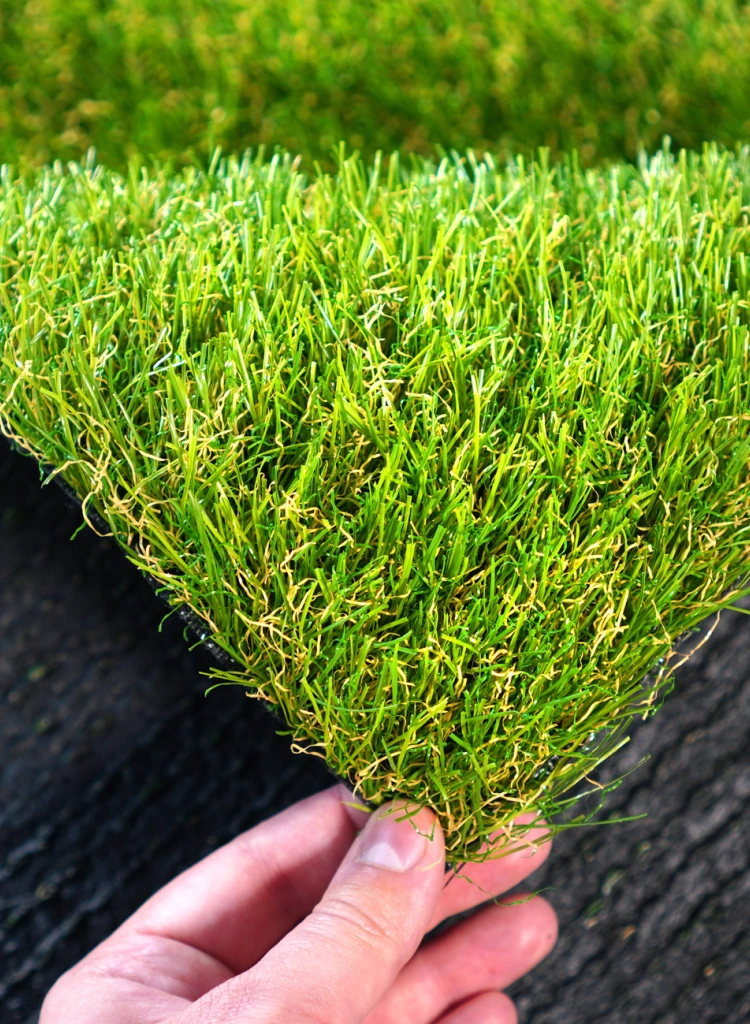
Artificial grass is perhaps the most widespread of the three, and it’s become particularly popular in the UK. Studies show that Brits use more fake grass per capita than any other European country. The attraction is easy to understand — no mowing, no watering, and it stays lush and green all year round. However, the drawbacks are numerous.
The environmental impact of artificial grass is far-reaching. Made from non-biodegradable plastic, it doesn’t allow rainwater to permeate the ground, which leads to poor drainage and can contribute to surface water flooding. Moreover, artificial grass contributes to microplastic pollution, which makes its way into local waterways and soil. Additionally, it provides no ecological value — it cannot support wildlife or contribute to biodiversity in the way natural grass or wildflower meadows can.
At North Hill Gardens, we strongly discourage the use of artificial grass. Instead, we recommend natural alternatives like wildflower meadows or ground cover plants that not only look beautiful but also support local wildlife and help the overall health of the garden.
Fake Plants: A False Sense of Greenery
While artificial grass might dominate, fake plants are also commonly found in UK gardens. They offer an easy way to add greenery without the hassle of maintenance. However, these plants come with their own set of issues.
The visual impact of fake plants is often immediately noticeable. While they may look good from a distance, up close they tend to appear plastic and lifeless, undermining the natural aesthetic of a garden. Additionally, fake plants don’t support the environment — they don’t absorb carbon dioxide, provide oxygen, or offer any habitat for insects or small animals.
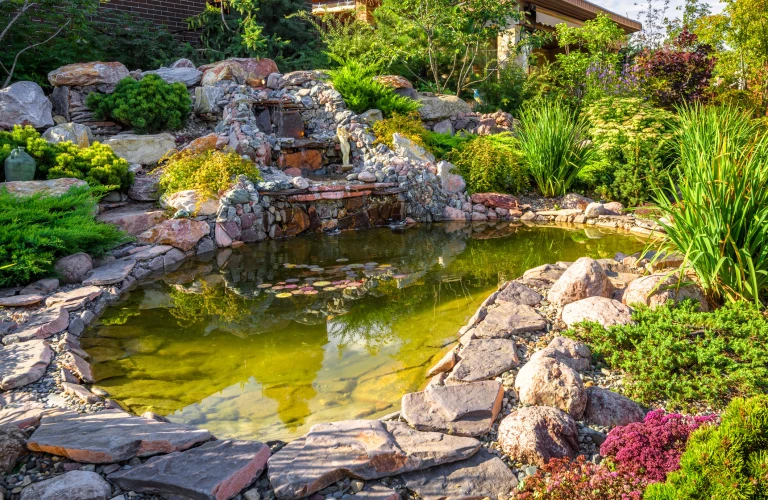
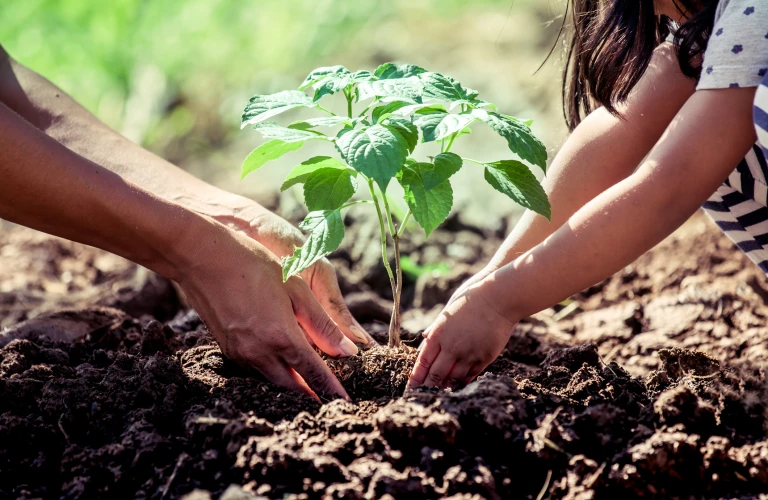
At North Hill Gardens, we encourage our clients to use native plants or drought-tolerant species that not only enhance the beauty of their garden but also have ecological benefits, reducing the need for excessive watering and enhancing the garden’s sustainability.
Composite Decking: A Questionable Alternative
Composite decking is another material that has gained popularity due to its perceived durability and low maintenance. Made from a mix of wood fibres and plastic, composite decking promises a long-lasting, low-effort solution. However, the reality is that composite decking doesn’t always live up to its claims.
The longevity and sustainability of composite decking are questionable. While durable, it doesn’t age as gracefully as natural wood. It can become slippery when wet, fade over time, and even crack or warp in the damp UK climate. Additionally, the plastic content of composite decking adds to its environmental footprint. Plastics are made from fossil fuels and don’t biodegrade, contributing to landfill waste.
We believe traditional hardwoods or sustainably sourced timber provide a better long-term investment for decking. They allow proper drainage, contribute to biodiversity, and offer a more natural look and feel for your outdoor space.
So Why Are So Many Brits Still Choosing Fake?
It’s an interesting one. Britain’s unpredictable weather and busy modern lifestyles have fuelled a trend for low-maintenance outdoor spaces — and artificial grass has been heavily marketed as the answer. Unlike many other countries where naturalistic planting and biodiversity-focused gardens are the standard, here in the UK, there’s been an odd love affair with fake lawns.
Statistics show that one in ten UK homes now has artificial grass in their garden — despite its declining reputation. A recent survey revealed that 24% of Brits would support an outright ban on fake grass, and 57% say they’d never install it themselves. Encouragingly, demand for artificial grass has fallen by 48% year-on-year.
So why the disconnect? It seems a lot of people simply aren’t aware of the environmental harm it causes — or the beautiful, sustainable alternatives available.
The Real Problem with Artificial Gardens
Plastic lawns, imitation plants, and cheap composite decking might save a bit of time on maintenance, but the environmental cost is huge. Here’s why we always advise against them:
- Artificial grass stops rainwater soaking into the soil, increasing flood risk.
- It destroys vital habitats for insects, birds, and pollinators.
- It heats up dramatically in the sun, creating uncomfortable, barren spaces.
- It sheds microplastics into the environment as it weathers.
- Fake plants add nothing to biodiversity and quickly look dated.
- Low-grade composite decking often fades, warps, and ends up in landfill.
What We Recommend Instead
At North Hill Gardens, we focus on creating outdoor spaces that are genuinely low-maintenance, sustainably built, and visually timeless. Here’s how we help clients avoid artificial options without compromising on practicality or beauty:
- Natural planting schemes using hardy, drought-tolerant species that thrive with minimal care.
- Meadow-style lawns and no-mow areas to boost wildlife and cut down on maintenance.
- Quality decking materials like sustainably sourced hardwoods or premium, eco-friendly products like Millboard, which offer the look of timber without the drawbacks of traditional composites.
- Gravel, stone, and natural paving options that allow water to drain naturally and age beautifully.
- Garden designs that work with the Scottish climate, rather than against it.
Changing Perceptions Through Design and Education
We believe it’s our responsibility, as designers and landscapers, to gently steer people away from the quick-fix mindset and show them how much better natural gardens really are — for the planet, and for their own enjoyment. That’s why we always take time with our clients to explain the longer-term impact of their material choices and introduce them to creative, sustainable alternatives.
It’s about shifting the focus from ‘low maintenance at any cost’ to ‘low impact, beautifully considered’.
Final Thoughts
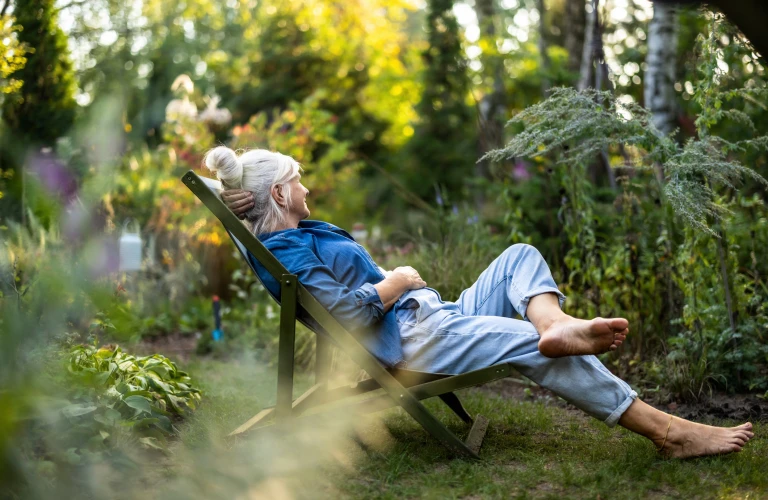
Artificial materials might seem convenient on paper, but they strip away everything that makes a garden special. At North Hill Gardens, we champion authentic, living outdoor spaces that improve over time, support nature, and sit naturally within their surroundings.
If you’re planning a garden project and want to make thoughtful, sustainable choices — we’d love to help. Let’s design something real together.
Other Posts