The Top Garden Design Trends in 2026: What’s Hot in Scotland
In 2025, garden design is about more than just creating an aesthetically pleasing space. It’s about blending style with sustainability and making the most of every square inch of outdoor space. In Scotland, where gardens are often exposed to extreme weather conditions, functional, durable, and eco-friendly designs are becoming increasingly important. This blog post highlights the top garden design trends in 2026, focusing on what’s gaining popularity in Glasgow, Edinburgh, and beyond.
1. Sustainable and Eco-Friendly Gardens
As the importance of environmental sustainability continues to rise, many homeowners are opting for eco-friendly garden designs. In 2026, we’re seeing more emphasis on using sustainable materials, such as recycled or reclaimed stone, timber, and paving options. Water conservation is also a major trend, with the installation of rainwater harvesting systems, drought-resistant plants, and eco-friendly irrigation systems becoming more common.
In addition, more gardens are being designed with minimal lawn areas, as grass requires a lot of water and maintenance. Instead, homeowners are replacing lawns with native plant species and wildflower meadows that thrive in local conditions, reduce water usage, and encourage biodiversity.
2. Outdoor Rooms and Garden Buildings
As outdoor living becomes increasingly popular, we’re seeing more requests for outdoor rooms, garden offices, and garden pods. In Scotland, where the weather can be unpredictable, creating a sheltered outdoor space is a must. These outdoor rooms are designed to be as comfortable and functional as indoor rooms, with added insulation, heating, and lighting.
Garden offices and studios have become especially popular in the wake of the remote work trend. People are looking for spaces to work from home while still having a clear separation between their personal and professional lives. A well-designed garden office can add value to your home, making it a great long-term investment.
3. Integrated Water Features
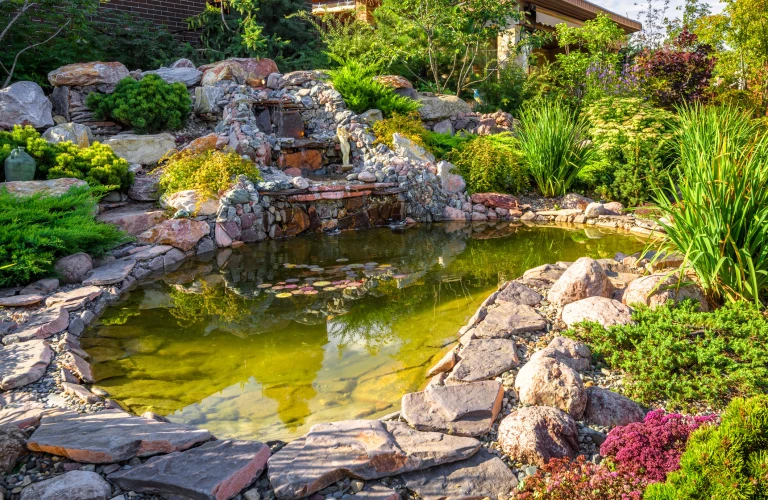
Water features continue to be a popular choice for homeowners looking to add a sense of tranquility and elegance to their gardens. In 2026, integrated water features, such as built-in ponds, streams, and fountains, are taking center stage. These features don’t just serve as decorative elements—they’re also designed to help with drainage, increase biodiversity, and promote relaxation.
4. Minimalist and Zen Gardens
Minimalist gardens, inspired by Japanese Zen gardens, are becoming more prevalent. These designs focus on creating a serene and calming environment through the use of simple, clean lines and neutral colours. In Scotland’s often windswept and rainy conditions, Zen gardens, which require minimal upkeep, are the perfect solution for those seeking a peaceful retreat without the hassle of high-maintenance plants or intricate features.
5. Edible Gardens and Urban Farming
With a growing interest in sustainable living, many homeowners are opting for edible gardens, where they can grow their own fruits, vegetables, and herbs. This trend is especially popular in urban areas like Glasgow and Edinburgh, where space is at a premium. Raised beds, vertical gardens, and greenhouse installations are becoming common features in both private gardens and community spaces.
Final Thoughts and Local Inspiration
For homeowners and designers in Scotland — particularly in Glasgow, Edinburgh, and surrounding areas — the opportunities to adopt and adapt these styles are immense. The unique Scottish climate, combined with our rich natural landscapes and increasingly design-savvy clientele, makes this the perfect environment to explore both traditional and contemporary trends.
At North Hill Gardens, we’ve seen firsthand how blending styles can create truly personal outdoor spaces. In urban Glasgow gardens, for example, contemporary and Scandinavian elements often work beautifully together, offering calm, structured spaces softened by naturalistic planting. Meanwhile, in more rural areas surrounding Edinburgh, the informal charm of a cottage garden or the bold simplicity of a Mediterranean courtyard can add warmth and personality to even the most compact outdoor space.
We regularly draw inspiration from the likes of the Chelsea Flower Show and Bloom in Dublin, integrating the latest planting schemes, materials, and sustainable technologies into our Scottish projects. Whether it’s reimagining a traditional garden with drought-tolerant perennials or crafting a sleek, minimal terrace with natural stone and native grasses, these events fuel fresh thinking that we love bringing home to our clients.
Why Trends Matter Locally
It’s easy to dismiss trends as fleeting or superficial, but in reality, they reflect broader shifts in lifestyle, values, and environmental awareness. By staying connected to these trends, we can:
- Help clients future-proof their gardens — whether that means using climate-resilient plants, creating wildlife-friendly features, or reducing maintenance demands.
- Challenge the boundaries of tradition — encouraging homeowners to blend beloved classics with modern, functional solutions.
- Contribute to a greener, more sustainable built environment — right down to the private, domestic garden.
Where to Find Inspiration in Scotland
For those eager to see these ideas in action:
- Royal Botanic Garden Edinburgh – A wonderful example of how diverse planting styles can coexist within one cohesive landscape.
- Greenbank Garden (National Trust for Scotland) – A brilliant local showcase of seasonal planting combinations, traditional layouts, and naturalistic borders.
- Kelvingrove Park and Queen’s Park, Glasgow – While public spaces, both offer design lessons in planting, layout, and integrating usable social spaces within green environments.
- The Secret Herb Garden (Edinburgh) – A fantastic resource for anyone interested in cottage garden planting and sensory, herb-based landscapes.
Other Posts