Six Most Popular Garden Design Styles in the UK and Europe: Trends, Innovation, and Encouraging Change
Garden design has evolved significantly over the years, and with each season, new trends and styles emerge. In the UK, and particularly in Scotland, gardens are more than just outdoor spaces—they’re an extension of our homes, reflecting personal tastes, lifestyles, and the ever-changing environmental conditions. As gardening enthusiasts and professionals, it's essential to stay up-to-date with the latest trends, which can often be spotted at major garden shows like the Chelsea Flower Show, Hampton Court Garden Festival, and Bloom in Dublin.
In this blog post, we’ll explore the six most popular garden design styles seen in the UK and across Europe. We’ll also discuss how keeping an eye on global trends can shape your design decisions and how to encourage British and Scottish clients to embrace innovative, sustainable garden solutions.
1. Contemporary Garden Design
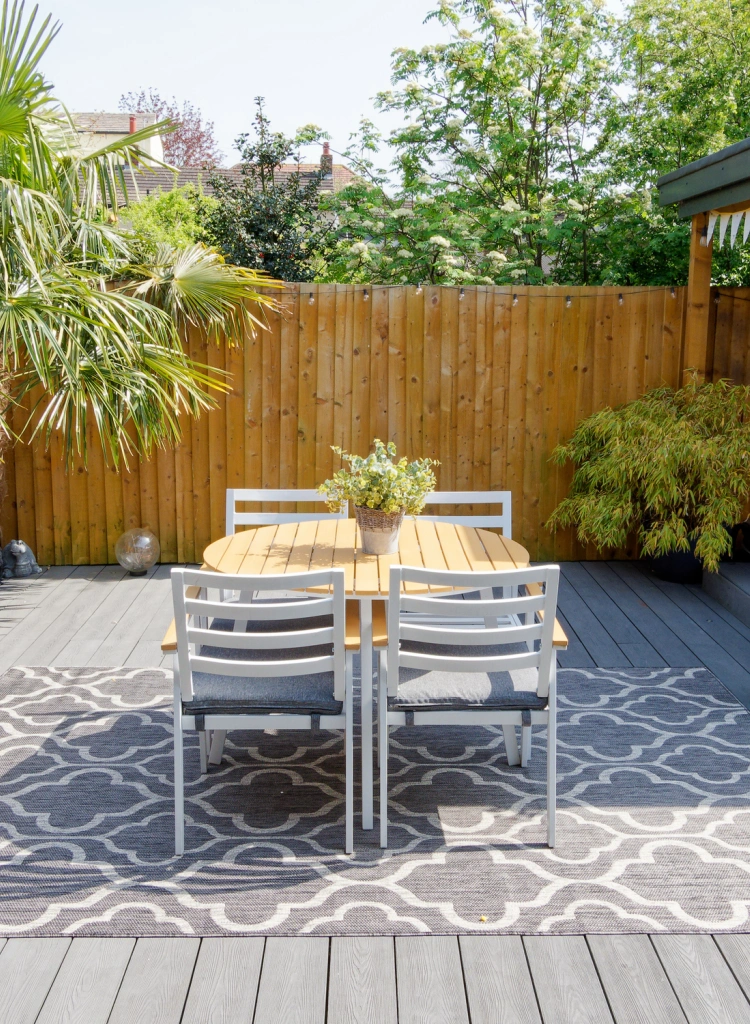
Contemporary gardens are sleek, minimalist, and often inspired by urban aesthetics. In the UK, contemporary designs are increasingly popular in cities like Glasgow and Edinburgh, where space is at a premium. This style is characterised by clean lines, geometric shapes, and a restrained plant palette. Think angular paving, modern water features, and striking sculptures that complement, rather than compete with, the surrounding environment.
Key Features:
- Use of modern materials such as concrete, steel, and glass.
- Bold, architectural plantings (often with a limited colour palette).
- Simple yet striking features such as fire pits, contemporary seating, and lighting.
This style is not just about looks; it’s also about creating a functional, low-maintenance space. In areas where people lead busy urban lives, contemporary gardens offer a serene, calming retreat without the hassle of complex upkeep.
2. Cottage Garden
The cottage garden is a classic British garden style that is making a huge comeback, particularly in rural settings, although urban gardens in cities like Edinburgh are increasingly incorporating this style. Cottage gardens are known for their informality and wild, natural charm. This design embraces a rich mix of plants, flowers, and herbs, often combined in a relaxed, almost chaotic manner.
Key Features:
- Overgrown beds with a wide variety of flowering plants (roses, lavender, daisies).
- Herbaceous borders, wildflowers, and climbing plants such as ivy or wisteria.
- Natural materials like timber and stone, and a focus on providing habitats for wildlife.
While this style often seems haphazard, it is incredibly well thought out in terms of creating a sensory experience—fragrances, textures, and colours all play a vital role in its success.
3. Mediterranean Garden
Mediterranean gardens transport us to sunny climates, with their emphasis on drought-tolerant plants and natural stonework. In the UK, these gardens are a favourite in areas with milder climates like Cornwall, but they’re also being incorporated into urban gardens, especially with the growing trend for sustainable, water-efficient planting.
Key Features:
- Use of plants that thrive in dry, sunny conditions like lavender, olive trees, and agave.
- A strong focus on natural stone and terracotta features.
- A sense of tranquility, with shaded seating areas and open, airy spaces.
Mediterranean gardens are particularly appealing as they offer low-maintenance options, making them perfect for busy homeowners who want a beautiful garden without excessive watering or upkeep.
4. Japanese Garden
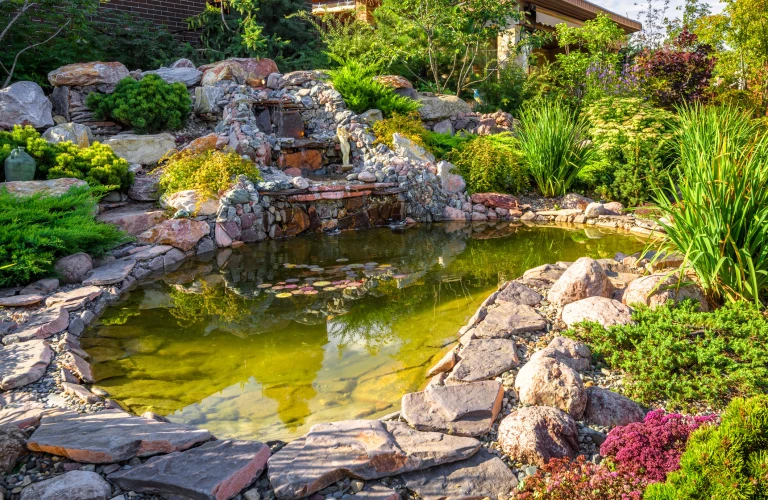
Japanese gardens have become synonymous with tranquillity and balance. These gardens are rooted in Zen philosophy, focusing on creating peaceful spaces for contemplation. In the UK, this style has gained popularity in recent years, particularly for those seeking a calm, meditative environment.
Key Features:
- Carefully chosen plants like Japanese maples, bamboo, and moss.
- Rocks, gravel, and water features, often arranged to represent natural landscapes.
- A strong sense of asymmetry, with pathways that lead the eye in natural, flowing ways.
Japanese gardens are ideal for small spaces, as their minimalist approach and emphasis on creating serene, spiritual spaces are perfect for those who want to escape from the stresses of modern life.
5. Dutch Garden Design
Dutch garden design is known for its precision, symmetry, and horticultural excellence. The Netherlands has long been a leader in garden design, and their influence on global trends is undeniable. British garden enthusiasts often look to Dutch gardens for inspiration, particularly when it comes to flowerbeds, bulb planting, and formal landscaping.
Key Features:
- Symmetry and geometric shapes, often with a central focal point.
- Carefully manicured plants, flowers, and lawns.
- Bold planting schemes, often using flowers like tulips and daffodils for striking seasonal colour.
Dutch gardens can be more labour-intensive but are often chosen for their elegance, sharp lines, and structured beauty. The focus on plant variety and colour makes them ideal for creating eye-catching garden displays.
6. Scandinavian Garden Design
Scandinavian gardens are currently among the most popular and forward-thinking in Europe. Known for their minimalist beauty, sustainability, and connection to nature, Scandinavian gardens bring a refreshing approach to landscaping. This style is becoming more prominent in the UK, particularly as homeowners seek to bring a touch of nature into their urban and suburban environments.
Key Features:
- Simple, natural plantings such as grasses, ferns, and wildflowers.
- A neutral, earthy colour palette of greys, greens, and whites.
- An emphasis on sustainability, with eco-friendly materials and low-maintenance designs.
The success of Scandinavian gardens is due to their focus on sustainability and simplicity. With an increasing demand for eco-friendly gardens, this style offers a sustainable solution without compromising on aesthetic appeal.
The Importance of Garden Shows in Shaping Design Trends
To stay ahead of the curve in garden design, it’s essential to follow the major garden shows that take place across the UK and Europe. These events provide an excellent opportunity to see the latest innovations, designs, and plant varieties that are setting trends in the industry.
- Chelsea Flower Show (London): As one of the most prestigious garden events in the world, Chelsea showcases cutting-edge designs, with an emphasis on luxury, innovation, and contemporary gardening techniques.
- Hampton Court Garden Festival (London): Known for its larger-than-life displays and focus on practical garden solutions, Hampton Court often features sustainable and environmentally conscious designs.
- Bloom in Dublin: This festival brings a fresh perspective to garden design, with an emphasis on creativity, practicality, and eco-friendly solutions, reflecting the latest European trends.
By attending these shows or following their highlights, you can spot emerging trends and gain inspiration from the best designers in the world. This is particularly important for adapting designs that fit the changing needs of both homeowners and the environment.
Encouraging British and Scottish Clients to Embrace New Ideas
While British and Scottish gardens have traditionally leaned towards conservative designs, there’s a growing movement toward embracing new ideas and innovative, sustainable solutions. Yet, many clients still hold onto more traditional designs and are hesitant to explore alternative approaches.
To encourage clients to experiment more, designers need to:
- Educate through examples: Show clients real-life examples of successful, sustainable garden transformations. Garden shows, online portfolios, and case studies can illustrate how cutting-edge ideas and new technologies can be used effectively.
- Focus on the benefits: Emphasise how eco-friendly designs—such as rainwater harvesting, native plants, and low-maintenance gardens—can reduce costs and improve the longevity of their outdoor spaces. Clients are more likely to embrace new ideas when they see tangible benefits.
- Use a consultative approach: Work closely with clients to understand their concerns and reservations. Offering a collaborative approach, where clients feel involved in the decision-making process, can help them feel more comfortable experimenting with novel ideas.
- Highlight sustainability: As more people become concerned about environmental issues, incorporating sustainable elements into designs is becoming a selling point. Demonstrating how modern design methods can create gardens that are both beautiful and environmentally friendly will resonate with clients, particularly those in urban or suburban areas looking to reduce their ecological footprint.
Conclusion
The world of garden design is constantly evolving, with new ideas and styles emerging from influential global shows and innovative designers. From contemporary minimalism to the lush beauty of cottage gardens and the precision of Dutch landscaping, the garden design world is rich with diversity. As designers, it’s essential to keep up with the trends, particularly when it comes to sustainability and eco-friendly practices, which are increasingly important to clients.
While British and Scottish homeowners may be traditionally conservative in their design choices, there is a clear opportunity to encourage them to explore more innovative and sustainable solutions. By educating clients on the benefits of new design trends, focusing on real-world applications, and using a consultative approach, we can help them embrace the future of garden design.
At North Hill Gardens, we stay ahead of these trends and ensure that our clients are always presented with the most innovative, sustainable, and beautiful garden solutions. Whether you’re looking to embrace a contemporary style or experiment with Scandinavian simplicity, we are here to help bring your garden vision to life.
Other Posts