Preparing the Garden for Frost: Essential Winter Maintenance Tips
Essential Winter Garden Care Maintenance Tips
As the temperatures begin to drop and the first dusting of frost appears on the lawn, the window for protecting your outdoor sanctuary begins to close. Proper winter garden care is not merely about tidying up; it is a critical investment in the longevity of your landscape. By taking proactive steps toward garden frost protection now, you can mitigate the risk of root rot, stem splitting, and the devastating loss of tender perennials. From insulating your soil to safeguarding hard landscaping features, a comprehensive winter strategy ensures that your garden doesn't just survive the cold but emerges vibrant and healthy when spring finally arrives. North Hill Gardens gives you the top essential winter maintenance tips to keep your garden healthy.
Protecting Vulnerable Plants from Frost Damage
The primary concern for any gardener during a cold snap is protecting plants in winter. Tender species, such as dahlias, cannas, and certain succulents, are particularly susceptible to frost damage and are often prone to failure in prevention efforts. Some of the best ways to help protect vulnerable plants from frost damage include:
- Move Potted Plants Inside: Move your potted plants into a greenhouse or a sheltered porch area away from frost.
- Protect Rooted Plants: For plants rooted in the ground, wrap them in horticultural fleece or burlap for a vital thermal barrier that still allows the plant to breathe.
- Apply Mulch: Apply a thick layer of organic mulch around the base of shrubs to insulate the root systems against the "freeze-thaw" cycle that can heave plants out of the soil.
Winter Soil Preparation
Adequate winter soil preparation involves more than just covering the surface. It's about maintaining the underground ecosystem. Avoid digging in frozen or waterlogged soil, as this can cause the soil structure to collapse and lead to compaction. Instead, focus on clearing away diseased foliage that could harbour pests over the winter months.
The Importance of Soil Care and Cleanup
As previously touched upon, the state of your soil dictates the health of your garden's foundation. While it is tempting to dig deeply, working with waterlogged or frozen soil is counterproductive. Compaction is the enemy of drainage. When you tread on wet soil, you squeeze out the air pockets necessary for root respiration. Instead, focus on surface hygiene. Removing diseased plant debris is the most important sanitation task. Fungal spores and pest larvae often overwinter in fallen leaves or spent stalks. By clearing these away now, you drastically reduce the likelihood of a breakout in the spring.
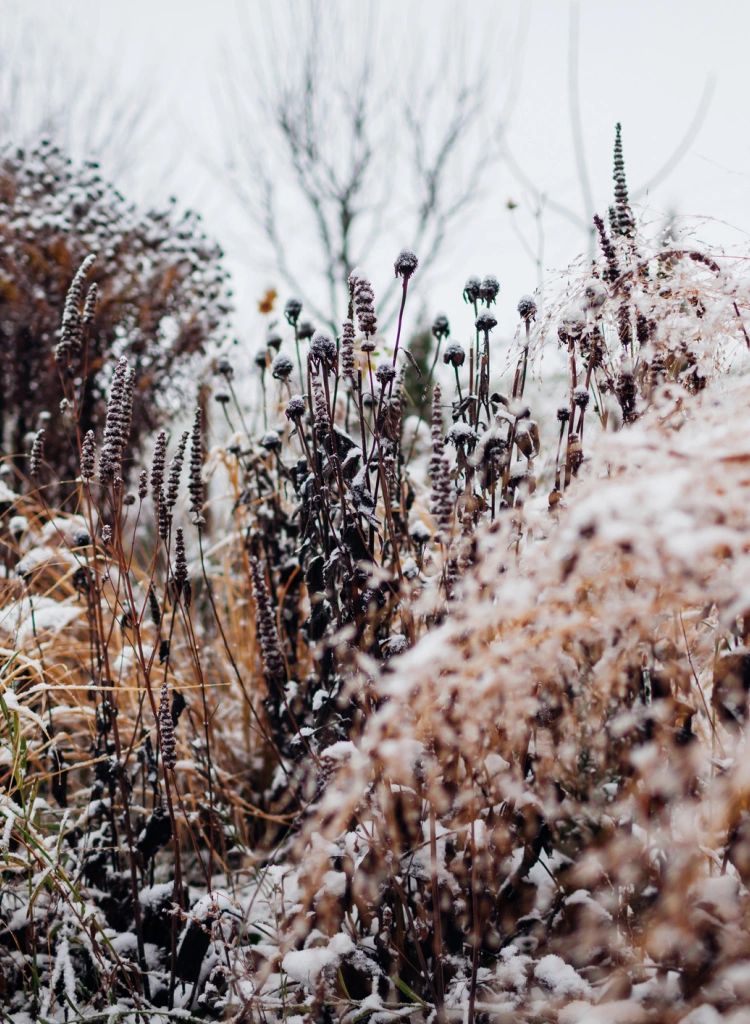
Do not be too overzealous with the tidy-up. Leaving some hollow-stemmed plants and seed heads intact provides essential habitat for beneficial insects and food for birds. A perfectly clean garden is often a sterile one, so aim for a balance between sanitation and ecological support.
Hard Landscaping Preparation
It’s essential to remember that many hard landscaping features must be protected in the winter months. By addressing the following maintenance needs now, you ensure a seamless transition into the primary growing season:
- Drain Irrigation Systems: Any water left in hoses or sprinkler lines will expand as it freezes, leading to expensive repairs in the spring. It's vital to disconnect all hoses, drain them completely, and store them in a shed or garage.
- Cover Outdoor Faucets: Outdoor faucets should be covered with insulated "socks" or foam covers to prevent the internal valves from freezing.
- Seal Wooden Decking: Wooden decking can freeze and expand, causing structural cracks. It's important to ensure the deck is properly sealed for the winter.
Maintaining Tools and Equipment
Winter is the ideal season for tool maintenance. Once the ground is too hard to work, retreat to the shed to clean, sharpen, and oil your equipment. Use a wire brush to remove dried soil from spades and hoes, then sharpen the edges with a file. Wiping metal surfaces with a thin layer of linseed oil or a dedicated tool lubricant will prevent rust during the humid winter months. This proactive approach ensures that when the first warm day of spring arrives, you aren't slowed down by dull blades or seized shears.
Looking Ahead: The Rewards of Winter Diligence
Let North Hills Garden perform garden maintenance throughout the year to help your garden thrive. We understand the process of winterising a garden can feel like a series of chores, but it's truly an act of stewardship. By insulating your soil, protecting your tender species, and securing your infrastructure, you create a stable environment for the garden to thrive. This period of dormancy is a necessary phase of the natural cycle.
A garden that is well-prepared for frost will emerge from its slumber with greater vigour. The structures will be intact, the soil will be nutrient-rich and aerated, and the plants will have the stored energy needed for a burst of spring growth. Embrace these colder months as a time to protect what you have built, and you will find that the transition into the next growing season is not only seamless but also truly rewarding.
Contact North Hill Gardens Today
North Hill Gardens transforms gardens into the ones in your dreams. Our garden design services ensure you have the perfect garden elements and knowledge to handle the winter months. By following winter maintenance tips, your garden can avoid frost damage and enjoy a healthy start to spring. Our team offers customised garden design, landscaping, and maintenance services tailored to your needs. Let us help your garden stay beautiful throughout the year. Contact North Hill Gardens for more information on keeping your garden thriving without fear of frost damage.
Other Posts