Garden Trends for the Year Ahead: What’s Inspiring Designers
A New Chapter of Garden Design Trends (2026)
Modern outdoor spaces now serve as vibrant hubs for creativity and relaxation. Homeowners want their yards to do more than just look pretty. People use these areas for entertainment, work, and connection with nature. Designers are inspired by how our changing lifestyles and the environment shape how we live outside. This year, gardens serve as true extensions of the home, showcasing your unique personality. You can expect to see brand new materials, clever layouts, and lush planting styles that make every square inch count. Our latest blog explores the most existing garden design trends (2026) that North Hill Gardens is bringing to landscapes across Scotland. Following these new ideas ensures your property stays stylish and valuable for years.
Design Drivers Shaping the Year Ahead
Several key design drivers are reshaping the way homeowners approach their outdoor spaces. Sustainability and climate awareness act as the primary baseline for modern projects, moving beyond simple aesthetics toward ecological responsibility. Homeowners seek calmer, more restorative environments that offer a sanctuary from busy lives. We also see an influence from high-end hospitality design and global architecture, bringing a vacation-like feel to private backyards. Technology and the rise of remote work continue to transform garden layouts into functional extensions of the home office. Even within smaller footprints, these factors provide ample inspiration for creating meaningful retreats that balance luxury with environmental consciousness.
Trending Materials: Texture, Longevity, and Craft
Material choice sets the tone for how a garden feels, ages, and performs. Current preferences lean towards authenticity, longevity, and a quieter visual language that complements planting rather than competing. Designers now select surfaces and finishes with purpose, often limiting options to achieve clarity and cohesion. This approach supports modern garden ideas that prioritise structure, texture, and long-term use over fleeting style. From hard landscaping to finer details, materials play a central role in shaping outdoor spaces that feel grounded, practical, and carefully resolved:
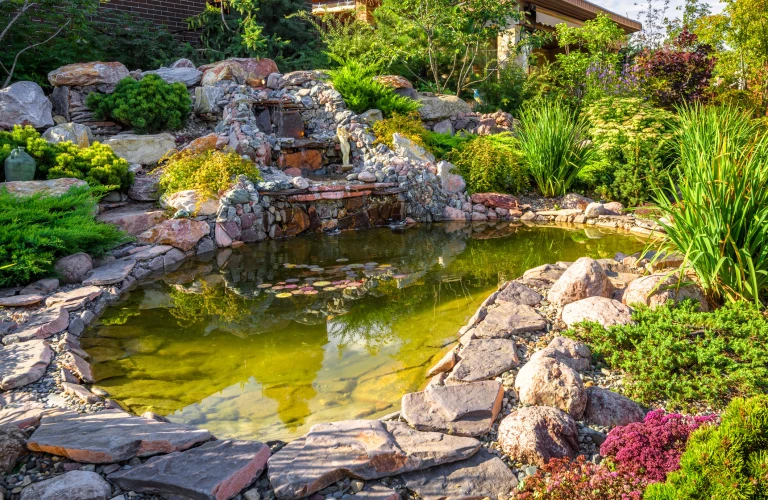
- Natural Stone With Visible Character and Imperfections – Stone with variation, markings, and texture brings depth and honesty to hard landscapes. These surfaces weather gracefully and settle into their surroundings over time.
- Porous Paving and Permeable Surfaces – Permeable materials manage surface water responsibly while supporting healthier soil conditions. They suit contemporary layouts that value environmental performance alongside clean design.
- Reclaimed, Recycled, and Low-Carbon Materials – Reused stone, brick, and timber reduce resource demand and add a subtle narrative to a space. Low-carbon alternatives support responsible construction without sacrificing quality.
- Thermally modified Wood and Hardwood Alternatives – Advanced treatments improve stability and lifespan while reducing reliance on slow-growing hardwoods. These timbers work well for decks, screens, and built elements.
- Weathered Metals Such as Corten Steel and Brushed Aluminium – Softened patinas and muted tones replace polished finishes in modern settings. Metal becomes a strong yet restrained partner to planting and stone.
- Locally Sourced Materials With Reduced Palettes – Shorter supply chains support regional character and practical sustainability. Fewer materials create calmer spaces with clearer architectural intent.
Stunning Contemporary Garden Layouts
Garden layouts continue to evolve as outdoor spaces take on clearer roles within the home. Designers favour flexibility, comfort, and strong connections to the house, while allowing planting to soften structure. Contemporary garden styles now draw from architectural and interior planning, leading to gardens that feel intentional and easy to use. These spatial trends support everyday living, social time, and quiet moments, even within compact or urban settings:
- Zoned Outdoor Rooms for Defined Activities – Dining, lounging, working, and play areas now receive equal design attention. Each zone feels distinct while remaining connected through consistent materials and sightlines.
- Seamless Indoor to Outdoor Transitions – Thresholds between house and garden stay visually open and level where possible. Paving lines, pergolas, and glazing help extend interior spaces outward.
- Covered and Partially Enclosed Areas – Sheltered zones increase usability through changing weather and seasons. Screens, planting, and overhead structures create comfort without closing spaces off.
- Curved Paths and Organic Circulation – Gentler lines guide movement and slow the pace through the garden. These layouts balance architectural order with a more natural rhythm.
- Flexible Layouts With Reduced Symmetry – Formal structure still appears, but strict symmetry gives way to adaptability. Spaces can be adjusted more easily as needs change over time.
- Smart Planning for Smaller Gardens and Courtyards – Vertical elements, layered planting, and built-in features increase function in tight spaces. Careful proportions prevent overcrowding while keeping gardens usable and calm.
Planting Styles Influencing Modern Gardens
Planting schemes now carry as much design weight as layout and materials. Current approaches favour longevity, seasonal persistence, and a closer relationship with local conditions. Designers increasingly view planting as structure, using layers, repetition, and movement to define space and soften built elements. Modern garden ideas reflect this shift, with palettes chosen for resilience, texture, and ecological value as well as visual impact. Gardens feel relaxed yet intentional, offering year-round interest without excess intervention while supporting everyday use and changing climates:
- Naturalistic and Biodiverse Planting Schemes – Meadow-styles and prairie-inspired planting introduce softness and movement into modern gardens. Pollinator-friendly plants attract wildlife and add visible life to the landscape.
- Plants Selected for Resilience and Longevity – Designers favour species that establish well and improve with age. These choices reduce long-term maintenance while maintaining structure across seasons.
- Climate-Responsive Planting Palettes – Drought-tolerant plants and low-water schemes suit changing weather patterns. Regionally appropriate species perform more reliably than decorative imports.
- Edible Plants Woven Into Garden Design – Herbs, fruits, and vegetables now sit comfortably alongside ornamental planting. Raised beds and edible borders combine productivity with visual balance.
- Beauty and Function Working Together – Planting serves practical roles as shelter, screening, and microclimate control. These elements support daily use while enhancing the garden’s character.
The Designer’s Perspective: Looking Ahead
Designers now look beyond short-term fashion, aiming for gardens that feel relevant for years. Trends offer useful direction, yet lasting design relies on sound structure, proportion, and planting that matures well. Flexibility remains essential as gardens adapt to changing routines, family needs, and climate conditions. Spaces must sport new uses without requiring a complete redesign. Personalisation leads this approach, with layouts and planting shaped around lifestyle, taste, and setting rather than fixed formulas. These emerging patterns point to shifting values, where outdoor spaces support wellbeing, sustainability, and daily life with clarity and intention.
Designing Gardens That Last
This year’s garden design trends (2026) show a clear move toward considered materials, purposeful layouts, and planting that responds to place and climate. Natural finishes, flexible zoning, and resilient planting schemes reflect a thoughtful approach to outdoor design. Lasting value comes from adapting these ideas to local conditions and personal routines rather than copying a fixed look. Gardens continue to grow and change over time, shaped by season, use, and care. A well-planned landscape remains a living design, evolving alongside the people who enjoy it. To learn more, give our team a call to turn your garden into a paradise.
Other Posts