Designing for Spring Rain: Drainage and Pathway Ideas
Spring in Scotland is synonymous with rain, presenting a very real test for gardens, especially in Glasgow and Edinburgh. Excess water can leave lawns sodden, patios slippery, and paths awkward or even unsafe to use. To ensure your garden maintains its beauty and usability during wetter months, careful attention to drainage and pathways is essential.
Thoughtful garden drainage is about more than simply diverting water away. It involves shaping the landscape to manage water gracefully, encouraging healthy planting and creating routes that remain accessible. Successful solutions integrate seamlessly with your home’s architecture and complement the garden’s existing style.
Letting Rain Inform Design
Proper drainage should be a priority from the earliest design stages, not an afterthought. If you wait until a project's end to manage water, recurring issues such as puddles by entrances, standing water on patios, and muddy paths are inevitable. The most robust gardens treat levels, surfaces, planting beds, and drainage as an interconnected system, keeping the space functional and attractive even during Scotland's deluges.
Practical Drainage Strategies
Regrade Surfaces: One of the most effective ways to manage water is by carefully sloping patios, paths, and other hard surfaces. By creating a gentle gradient, you can direct water away from high-traffic zones and building foundations, preventing puddles and potential water damage.
Use Planting Beds as Sponges: Garden borders and planting beds are excellent for absorbing runoff from adjacent hard surfaces. By planting moisture-tolerant species, you can create natural drainage zones that soak up excess water, reducing the load on your drainage system.
Install Channel Drains: For areas near patios or doorways where water tends to collect, installing linear channel drains is a discreet and efficient solution. These drains sit flush with the surface, intercepting runoff before it becomes a problem and channelling it away.
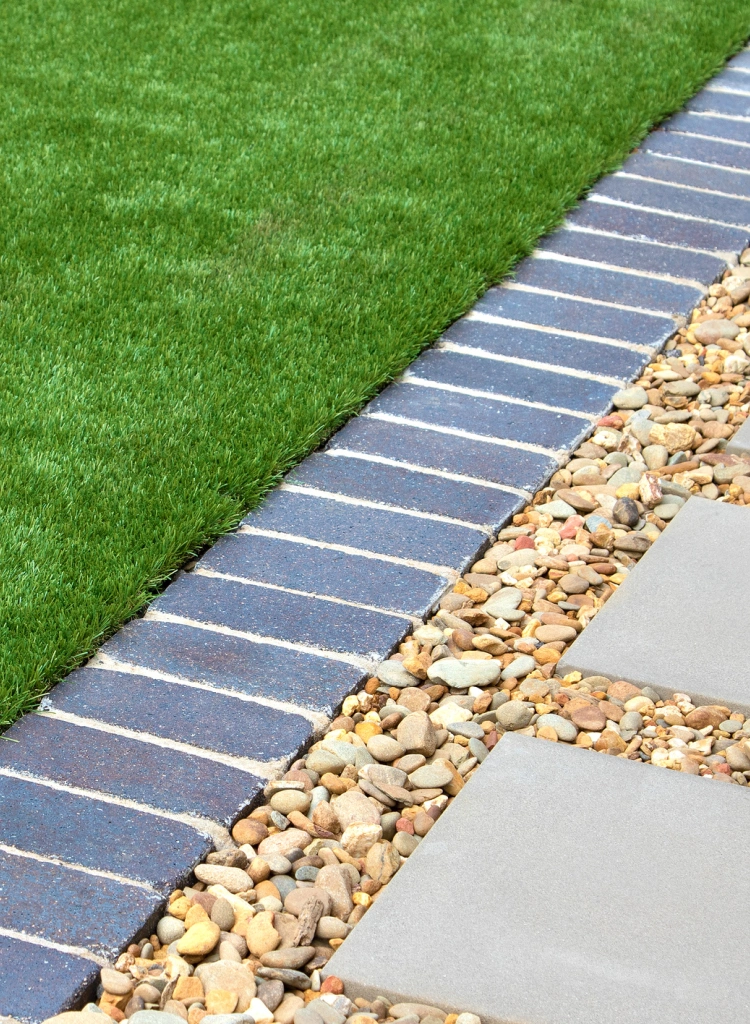
Create Gravel Zones: Incorporating gravel paths, edges, or larger gravelled areas provides a permeable surface that allows rainwater to soak directly into the ground. This reduces surface runoff and replenishes groundwater, making it an eco-friendly drainage solution.
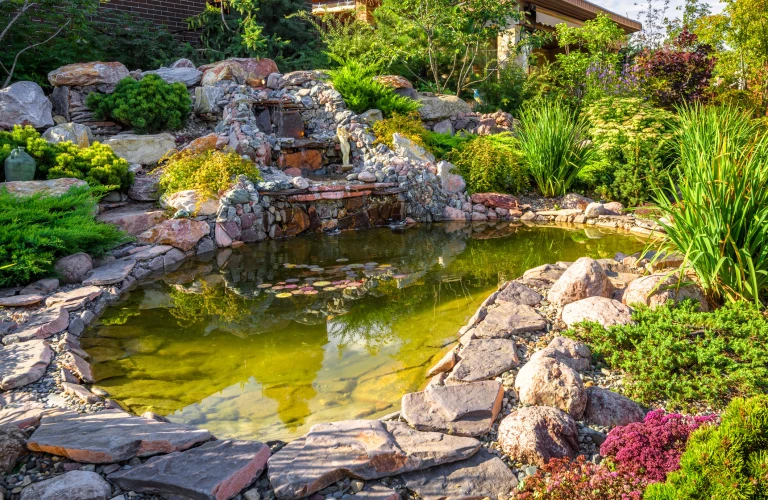
Build Rain Gardens: In gardens with larger or more persistent runoff issues, a rain garden is an ideal feature. These are shallow, planted basins designed to temporarily hold and filter stormwater runoff, allowing it to slowly absorb into the soil. They are not only functional but also create beautiful, biodiverse habitats.
Permeable Garden Pathways for Accessibility
Pathways should enhance a garden's design while remaining safe and accessible in wet conditions. Permeable pathways are a smart choice for this.
Why Permeability Matters
Paths that let rain pass through reduce runoff and puddles, making surfaces safer. This also reduces pressure on nearby lawns and borders, preserving the garden's structure.
Suitable Materials
- Bound gravel
- Resin-bound aggregates
- Open-jointed pavers
- Non-slip timber or composite boardwalks
Designing for Access
A well-planned path is comfortable in all seasons. It should have a generous width, gentle slopes, a firm, non-slip surface, and effective drainage to ensure safe access for everyone, even during heavy rain.
Getting Gravel Pathways Right
Gravel paths, when properly constructed, offer cost-effective, permeable solutions that suit many architectural styles. They provide a visually soft, relaxed feel while efficiently draining water. However, common errors, such as shallow bases, poor edging, steep gradients, or allowing roof water to spill directly onto gravel, can undermine their effectiveness. Correct detailing, including crisp edging and well-chosen gravel size and colour, elevates gravel paths to a high-quality, architecturally unified solution.
Patios and Entertaining Spaces: Drainage is Key
Patios are multi-functional: used for socialising, dining, and connecting inside and out. They also bear the brunt of Scottish rain. Proper planning involves:
- Sloping surfaces away from buildings
- Selecting paving with natural texture for grip
- Integrating hidden slot drains or lowering adjacent borders to aid runoff
- Avoiding very smooth materials that become slippery
A combination of hard and soft landscaping (e.g., planting beds and gravel strips) ensures patios remain dry and fit for purpose.
Sustainable Garden Drainage with Design Integrity
True sustainability in garden drainage means harmonising plants, surfaces, and built features to manage water effectively in the long term. Consider:
- Permeable paving and gravel zones
- Rain gardens and swales
- Water-tolerant planting
- Preparing soils to improve absorption
A garden that copes with Scotland’s spring rain is easier to maintain, supports healthier plants, and protects your home. This approach delivers year-round usability and preserves the beauty and investment in your landscape.
Contact Our Team
Enjoy your garden no matter what Scotland’s unpredictable spring throws at it. North Hill Gardens provides comprehensive design, workshop consultations, and expertly planned planting and drainage schemes for homes in Glasgow, Edinburgh, and beyond. Contact us today to invest in thoughtful, high-quality solutions.
Other Posts